
Finger Osteoarthritis Treatment with Stem Cell Therapy in Berlin
Key Information at a Glance
- Finger osteoarthritis usually develops gradually.
- The aim of the treatment is to maintain mobility and function in the fingers.
- Outpatient treatment using your own stem cells.
- Particularly suitable for early to moderate stages of osteoarthritis.
- Joint-preserving treatment may also be an option for thumb osteoarthritis.
Whether it is holding a coffee cup, writing with a pen or buttoning a jacket, it is often only when your fingers start to hurt that you realise just how important finger mobility is in everyday life. Finger osteoarthritis often develops gradually and can make even simple everyday tasks difficult. Many patients therefore look for finger osteoarthritis treatment without surgery and want to know whether a joint-preserving treatment may be an option. In Berlin, Dr Andreas Dahmen treats patients with finger osteoarthritis with the aim of relieving pain and maintaining mobility and function in the fingers for as long as possible.
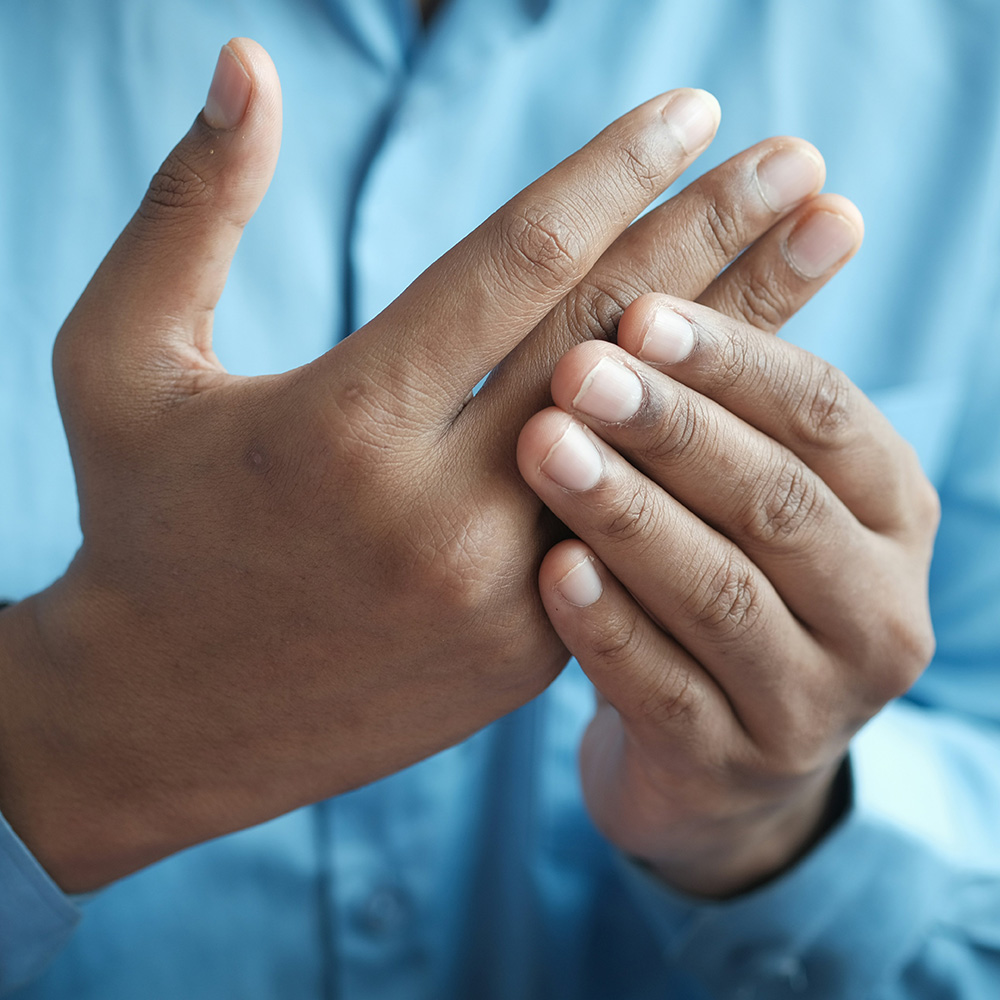
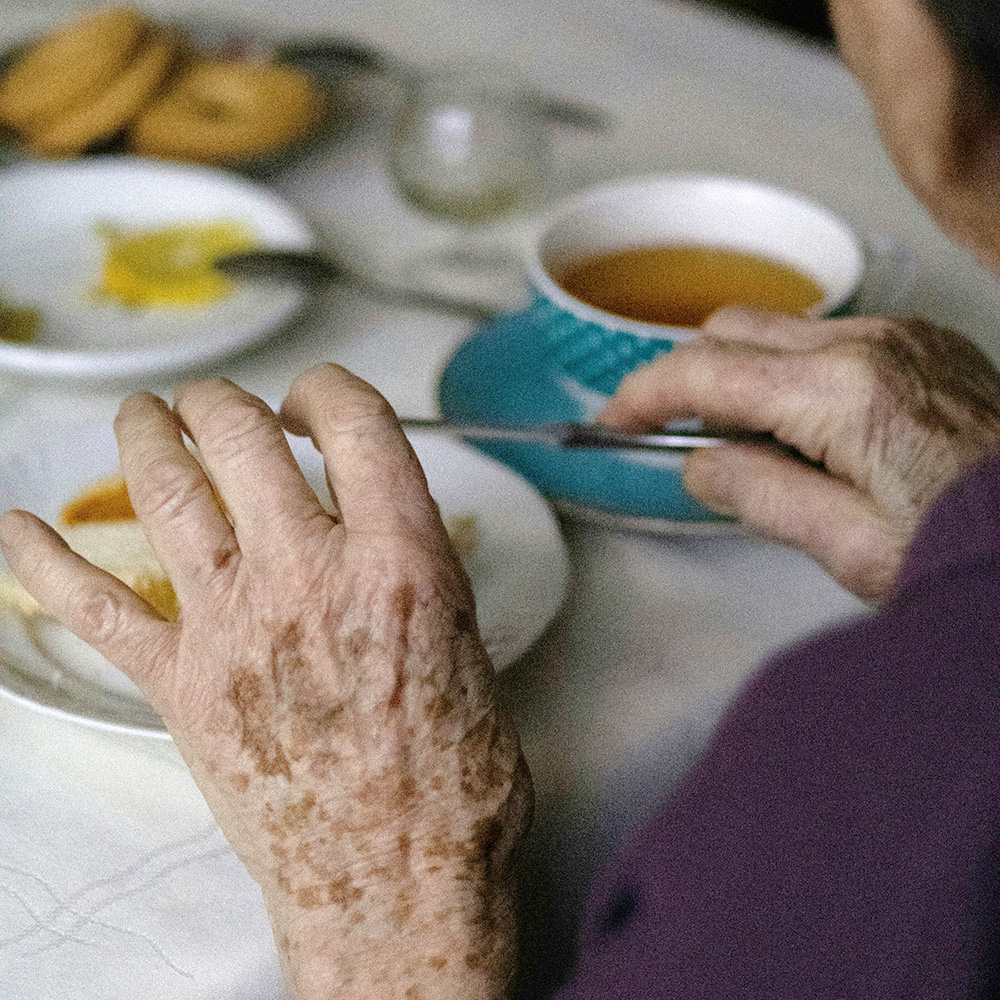
What is finger osteoarthritis and how does it develop?
Finger osteoarthritis is a degenerative joint condition in which the protective cartilage in the finger and thumb joints gradually wears down. As the joint space narrows, the joint surfaces are exposed to greater stress, which can lead to finger joint pain, inflammation and changes in the bone.
The joints most commonly affected are the end joints of the fingers (Heberden’s osteoarthritis), the middle finger joints (Bouchard’s osteoarthritis) and the joint at the base of the thumb. Osteoarthritis at the base of the thumb is known as thumb base osteoarthritis or rhizarthrosis and is one of the most common forms of osteoarthritis affecting the hand.
Thumb base osteoarthritis can make everyday movements such as gripping, turning and pressing painful, affecting many simple tasks that normally require little thought.
What are the symptoms of finger osteoarthritis?
- Pain in the finger joints, especially during movement or activity.
- Morning stiffness in the fingers that improves with movement.
- Swelling and tenderness in the finger joints.
- Loss of grip strength when gripping, turning or pressing.
- Limited finger mobility, making it difficult to fully bend or straighten the fingers.
- Difficulty with everyday tasks such as opening jars, writing, sewing or playing a musical instrument.
- Visible bony lumps around the finger joints in advanced osteoarthritis.
What many people do not realise is that finger osteoarthritis often develops gradually. Many patients become accustomed to finger joint pain and stiffness and only seek treatment when the condition begins to noticeably affect everyday activities. As with other forms of osteoarthritis, early diagnosis and treatment can help preserve joint function and mobility for as long as possible.
Causes and Risk Factors for Finger Osteoarthritis
Finger osteoarthritis does not only affect older people. It can develop from middle age onwards, particularly when several risk factors are present.
Not every patient with knee osteoarthritis is automatically a suitable candidate for stem cell therapy. An individual assessment is always the first step. Based on clinical experience, the following patient groups may be particularly suitable for treatment:
- Increasing age and natural wear and tear of the finger joints.
- Genetic predisposition, as finger osteoarthritis often runs in families.
- Long-term repetitive strain on the hands, for example from manual work, playing a musical instrument or sports.
- Previous injuries to the finger or thumb joints
- Repetitive strain from repeated hand and finger movements
- Hormonal changes, with women being more commonly affected than men
Thumb base osteoarthritis (rhizarthrosis) is particularly common in women over the age of 50. The thumb is the most mobile finger and the thumb joint is exposed to considerable stress in everyday life. As a result, thumb osteoarthritis can cause significant pain and make everyday movements such as gripping, pinching and turning increasingly difficult.
Stem Cell Therapy for Finger Osteoarthritis: Who Is It Suitable For?
Stem cell therapy is not suitable for everyone, but for many patients with finger osteoarthritis, it may offer a joint-preserving alternative to surgery or long-term pain medication. Stem cell therapy for finger osteoarthritis may be particularly suitable for:
- Early to moderate finger osteoarthritis where the joint is not yet severely damaged
- Persistent finger joint pain that has not responded sufficiently to other treatments
- Patients who want to avoid finger joint surgery or delay surgery for as long as possible
- People who rely on finger and hand mobility for work or sports
- Finger joint pain and limited mobility that significantly affect everyday activities and quality of life
Whether stem cell therapy is suitable for your finger osteoarthritis will be determined after a thorough examination and a personal consultation.
How Does Stem Cell Therapy for Finger Osteoarthritis Work?
The principle is the same as for stem cell therapy for knee or hip osteoarthritis, but the joint being treated is smaller. Under local anaesthesia, a small amount of your own fat tissue is taken from the abdomen. Fat tissue contains a high concentration of stem and regenerative cells. The cells are then processed and concentrated using the patented Arthrex technique before being precisely injected into the affected finger joint.
The aim of stem cell therapy for finger osteoarthritis is to reduce inflammation and support the joint’s natural regenerative processes. Treatment may help relieve finger joint pain, improve mobility and preserve finger and hand function.
What Are the Benefits of Stem Cell Therapy for Finger Osteoarthritis Compared with Surgery?
Surgery on the finger joints is an option, but it can involve a lengthy recovery period. After surgery, the hand may need to be rested for several weeks, and full mobility and function may not always be restored. For many patients with finger osteoarthritis, it may therefore be worth considering joint-preserving treatment options before surgery.
Stem Cell Therapy
-
Uses your own cells, with no foreign substances
-
Minimally invasive outpatient treatment
-
Short recovery time
-
Preserves the natural finger joint
-
Treatment tailored to the affected joint
Finger Joint Surgery
-
Joint implant or surgical joint fusion
-
Surgery under general or local anaesthesia
-
Several weeks to months of recovery and follow-up care
-
The natural joint is replaced, altered or fused
-
Standardised surgical procedure
The same applies here: We do not make general promises about treatment outcomes. In cases of advanced finger osteoarthritis, surgery may be the more appropriate treatment option. What we offer is an honest, individual assessment to determine which finger osteoarthritis treatment is most suitable for you.
What to Expect During Stem Cell Therapy for Finger Osteoarthritis in Berlin

Diagnosis and Examination
We carefully examine your fingers and hands, assessing joint mobility, swelling, tenderness and loss of grip strength. We also discuss your symptoms and medical history. If you do not have recent X-rays or MRI scans, we will discuss which diagnostic imaging may be necessary to establish a complete diagnosis. Only then do we plan your individual treatment.

Stem Cell Therapy for Finger Osteoarthritis
The stem cell treatment is carried out in a single appointment. Under local anaesthesia, a small amount of your own fat tissue is taken from the abdomen. The stem and regenerative cells are then processed and concentrated before being precisely injected into the affected finger joint. The entire appointment takes approximately two hours.

Aftercare and Recovery
After stem cell therapy for finger osteoarthritis, the treated fingers should initially be rested. We recommend avoiding strenuous use of the hand during the first week. Your first follow-up appointment takes place after two to three days. After approximately six weeks, we recommend platelet-rich plasma (PRP) therapy using your own blood as part of the follow-up treatment to support the regenerative process.
Why Choose Proarthros for Finger Osteoarthritis Treatment in Berlin?
Precision in the preparation and processing of stem cells is essential, whether we are treating osteoarthritis of the knee, hip or finger. This is a key part of our approach at Proarthros.
Specialised in regenerative treatments for osteoarthritis and cartilage damage
Over 25 years of experience in orthopaedics and sports medicine
One of the highest numbers of stem cell therapy cases in Germany
Stem cell processing technique developed and optimised in collaboration with Arthrex
Personal treatment by Dr Andreas Dahmen, with no junior doctors involved
Individual treatment planning tailored to each patient and affected joint
We treat patients from Berlin, throughout Germany and from around the world.
Frequently Asked Questions About Stem Cell Therapy for Finger Osteoarthritis
Can Stem Cell Therapy Help Avoid Finger Joint Surgery?
For suitable patients, stem cell therapy for finger osteoarthritis may help reduce pain, improve mobility and delay or potentially avoid surgery. Whether this is possible depends on the severity of the osteoarthritis and which finger joint is affected. During your consultation, we will assess your individual condition and give you a realistic evaluation of the treatment options.
Does Stem Cell Therapy Help with Finger Joint Pain?
Stem cell therapy may help reduce finger joint pain and improve mobility in suitable patients with finger osteoarthritis. Treatment outcomes vary from patient to patient, so no reputable medical practice can guarantee a specific result. We will assess whether stem cell therapy is a suitable option for you based on your individual diagnosis.
Can Finger Osteoarthritis Be Cured?
No. Finger osteoarthritis cannot currently be cured, and damaged cartilage does not fully regenerate. The aim of treatment is therefore to reduce pain and inflammation, support joint function and potentially slow further deterioration. The goal is to maintain mobility and reduce the impact of finger osteoarthritis on everyday life.
How Long Does Stem Cell Therapy for Finger Osteoarthritis Take?
The entire stem cell treatment for finger osteoarthritis is carried out during a single appointment and takes approximately two hours. The collection of fat tissue, preparation of the cells and injection into the affected finger joint all take place on the same day. A first follow-up appointment is usually scheduled after two to three days.
Which Stages of Finger Osteoarthritis Can Be Treated with Stem Cell Therapy?
Stem cell therapy is most commonly considered for early to moderate finger osteoarthritis, when the joint is not yet severely damaged. In advanced osteoarthritis, the potential benefits may be more limited. Whether stem cell therapy is suitable for your condition can only be determined after a thorough examination and assessment of your diagnostic findings.
How Do I Book an Appointment for Finger Osteoarthritis Treatment in Berlin?
Finger osteoarthritis is not listed as a separate appointment type on Doctolib. Please book an appointment under “General Consultation” and mention finger osteoarthritis or finger joint pain in the comments section. This allows us to prepare for your consultation.
Is Finger Osteoarthritis Hereditary?
Yes. Genetics can play a role in finger osteoarthritis, alongside factors such as age, previous joint injuries and long-term strain on the joints. Having a family history of finger osteoarthritis may increase your risk of developing the condition.
Does Physiotherapy Help with Finger Osteoarthritis?
Yes. Physiotherapy and targeted hand exercises for finger osteoarthritis can help maintain mobility and may reduce pain and stiffness. The most appropriate exercises and treatment measures depend on which joints are affected and the severity of the osteoarthritis.